 Alice Rose
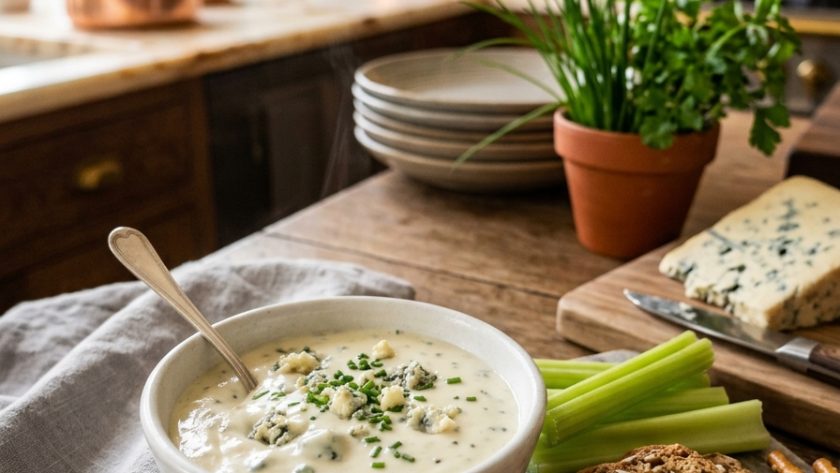
 Blue cheese sauce can turn grainy and split fairly easily if the cheese is added at the wrong moment, which is the main reason a lot of homemade versions end up looking curdled rather than smooth and glossy.
This recipe reduces the cream first, on its own, then melts the cheese in gently off direct heat, which keeps the whole sauce silky rather than broken.
It takes about ten minutes and turns a plain steak or a bowl of chips into something considerably more interesting.
Why Adding the Cheese Off the Heat Stops the Sauce Splitting
Blue cheese has a relatively high fat and salt content, both of which can cause a sauce to split if the cheese is melted in over direct, high heat. The proteins in the cheese tighten too quickly under intense heat, separating from the fat and leaving behind a grainy, oily-looking sauce rather than a smooth one.
Reducing the cream first, on its own, thickens the sauce’s base before the cheese is even involved, meaning less cheese is needed overall to reach the right consistency.
Removing the pan from direct heat before stirring in the cheese, and letting the residual warmth melt it gently, keeps everything emulsified rather than forcing the fat and proteins apart.
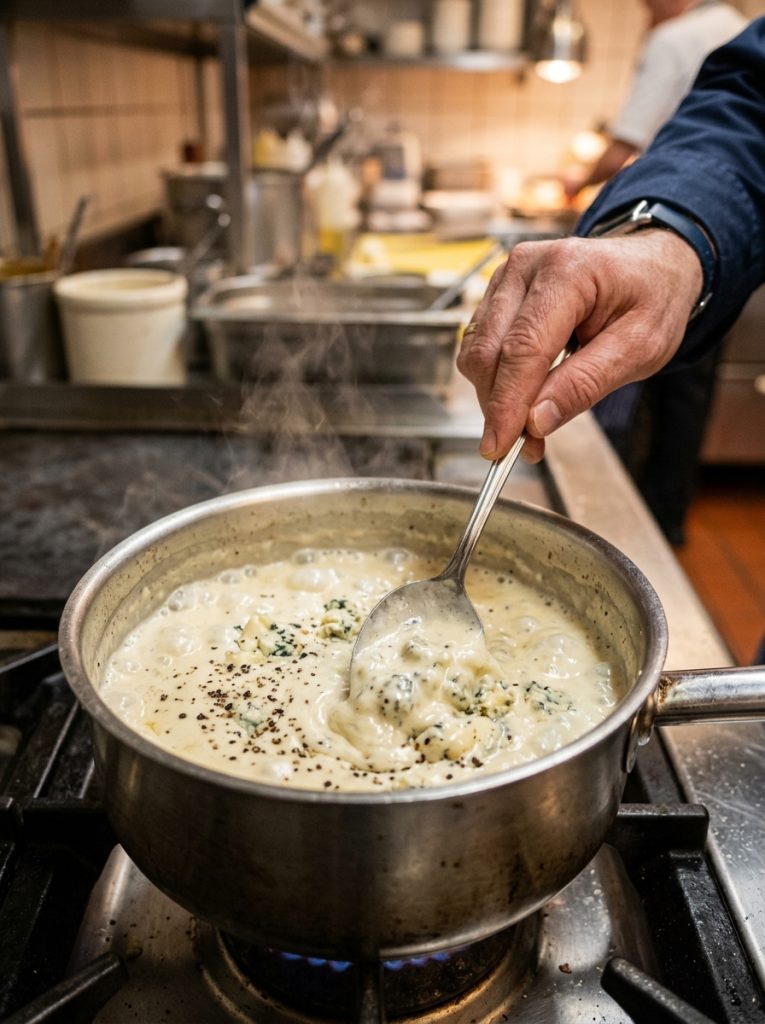
Ingredients for Gordon Ramsay Blue Cheese Sauce
- 300ml double cream
- 1 garlic clove, lightly crushed
- 150g blue cheese (Stilton or Roquefort work well), crumbled
- Freshly ground black pepper
- Salt, to taste (added carefully, as blue cheese is already salty)
How to Make Gordon Ramsay Blue Cheese Sauce — Step by Step
Step 1 — Infuse the Cream
Heat the double cream with the crushed garlic clove in a small saucepan over medium heat until it just reaches a simmer.
Step 2 — Reduce
Reduce the heat slightly and let the cream simmer gently for 5–6 minutes, until it has thickened and reduced by about a third.
Step 3 — Remove the Garlic
Remove and discard the garlic clove.
Step 4 — Take Off the Heat
Remove the pan from the heat entirely.
Step 5 — Melt in the Cheese
Add the crumbled blue cheese and stir gently until fully melted and the sauce is smooth, using the residual heat of the pan.
Step 6 — Season
Season with black pepper, and salt if needed, tasting as you go since the cheese already carries a significant amount of salt.
Step 7 — Serve
Serve immediately while warm and glossy.
My Top Tips for the Best Gordon Ramsay Blue Cheese Sauce
Reduce the cream properly before adding the cheese, as this thickens the base of the sauce and means less cheese is needed overall.
Take the pan off the heat before stirring in the cheese, as this is what stops the sauce splitting or turning grainy.
Taste before adding extra salt, as blue cheese is already quite salty and the sauce rarely needs much added.
Use a good-quality blue cheese, as this sauce has so few ingredients that the quality of the cheese comes through directly.
Serve immediately, as this sauce is at its best warm and freshly made, and can thicken considerably as it cools.
Serving Suggestions
Serve over a grilled steak, alongside chips for dipping, or tossed through pasta for a quick blue cheese pasta sauce. It also works well drizzled over roasted vegetables such as cauliflower or Brussels sprouts.
How to Store Gordon Ramsay Blue Cheese Sauce
In the fridge: Store in an airtight container in the fridge for up to 3 days. Reheat very gently over low heat, whisking to bring it back together.
In the freezer: Not recommended, as cream-based sauces are prone to splitting once frozen and thawed.
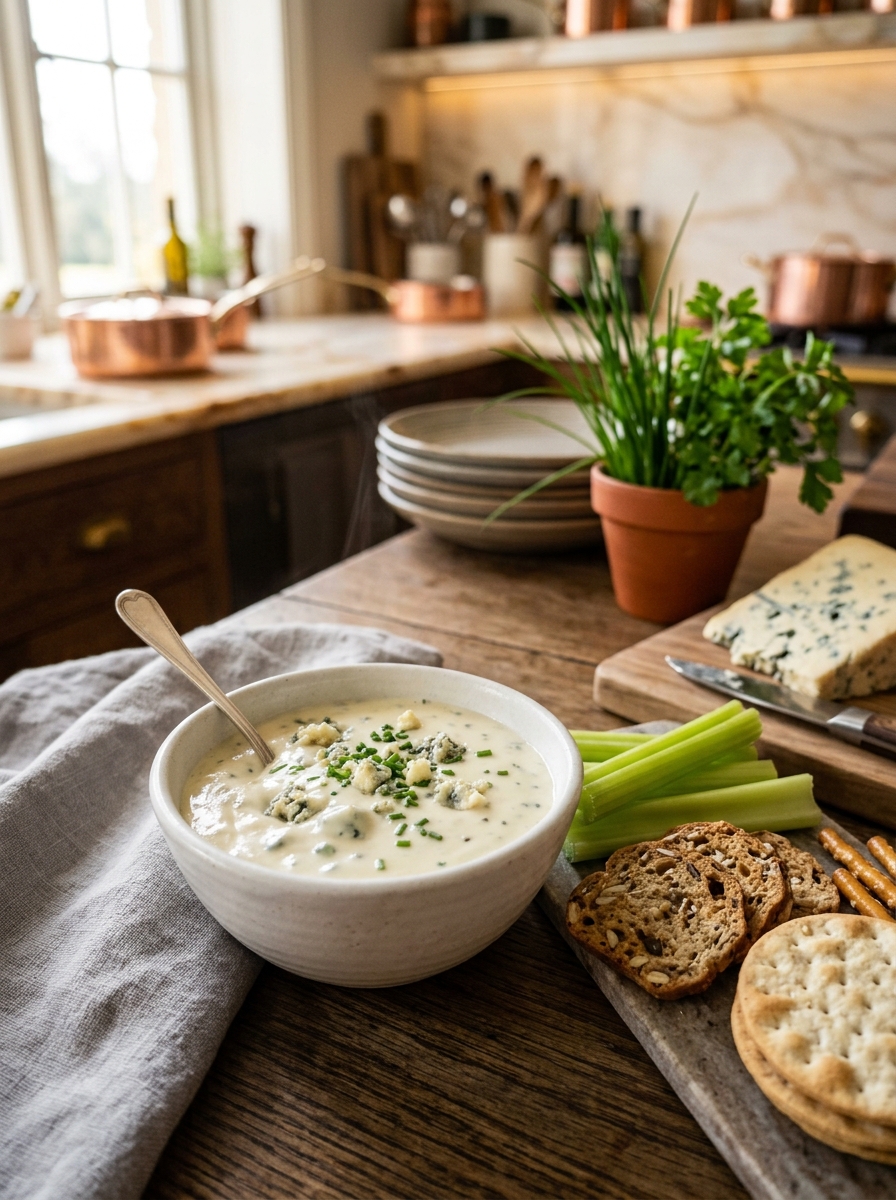
Gordon Ramsay Blue Cheese Sauce Recipe
Ingredients
Method
- Heat cream with garlic until simmering.
- Reduce 5–6 minutes until thickened.
- Remove garlic.
- Take off the heat.
- Stir in blue cheese until melted and smooth.
- Season with pepper and salt to taste.
- Serve immediately.
Notes
Frequently Asked Questions About Gordon Ramsay Blue Cheese Sauce
Can I make this sauce ahead of time?
Yes — make it a day ahead and store covered in the fridge, reheating very gently over low heat while whisking constantly.
Why has my sauce split?
This is almost always from adding the cheese over direct heat rather than off it. Take the pan off the heat entirely before stirring in the blue cheese.
What’s the best blue cheese to use?
Stilton or Roquefort both work particularly well, giving a rich, tangy flavour, though a milder blue cheese can be used for a gentler sauce.
Can I make this sauce with less cream for a thicker result?
Yes — reduce the cream a little further before adding the cheese for a thicker, more intense sauce, though take care not to reduce it so much that it becomes difficult to melt the cheese in smoothly.